What is Land lease? How Do It Work?
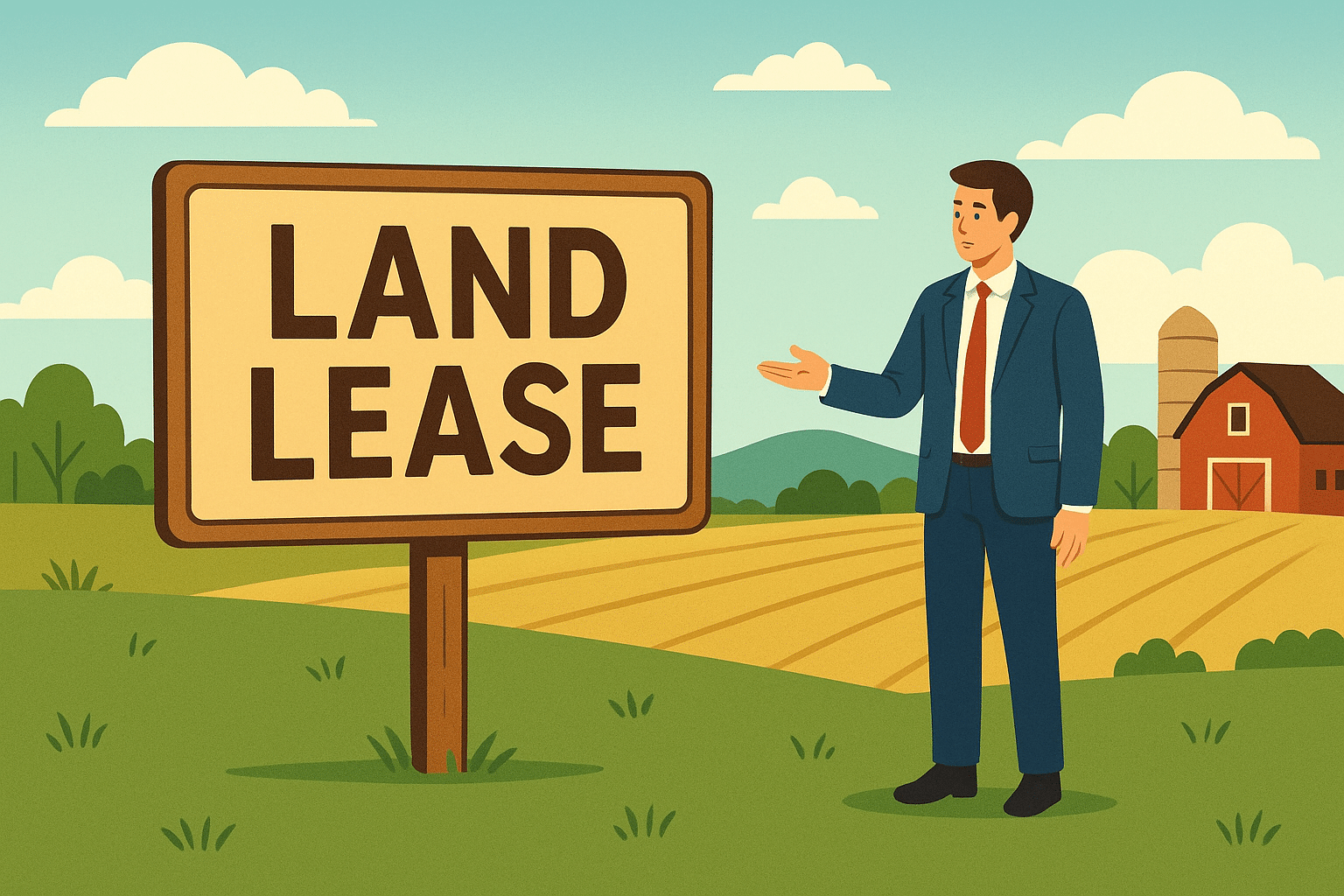
You may have seen terms like land lease or ground lease in property listings and wondered what they mean. Simply put, it’s a way of leasing a home or building on land you don’t own, while paying rent to the landowner.
Many people choose this when leasing a property in expensive areas, as it allows homeownership without buying the land outright. Some communities even offer Leaseland options to make this process easier. Understanding how these leases work can help you make smarter decisions in real estate.
What is a land lease?
A land lease, also called a ground lease, is basically an agreement that lets tenant use land they don’t own. With this arrangement, you can place or build a property on the land while paying the landowner through a land rent agreement. The lease clearly defines how the land can be used, your responsibilities, and the duration of the arrangement. Many property leases are long-term, sometimes even a 99 years lease, giving you extended control over the land. In simple terms, having land on lease allows you to develop or live on a property without owning the land, while the landowner keeps ultimate ownership — a key distinction in freehold vs leasehold property.
Types of land leases
Land leases come in a few different forms depending on how the land is being used and what the agreement says between the landowner and the person or business leasing it. Let’s break it down in simpler terms.
Residential Land Lease
In a residential setup, a land lease means someone can live on a piece of land without actually owning it. This is pretty common in mobile home communities or retirement areas where people own their homes but not the land underneath. They pay rent to the landowner through a mobile home lease agreement, which allows them to stay on the property as long as the contract is valid. Companies like MobileHome Rentals LLC often handle these types of communities, taking care of land management while homeowners look after their individual units.
Commercial Ground Lease
A ground lease for commercial purposes works a little differently. Businesses use this kind of lease when they want to build something like a restaurant, shopping center, or office-on land that isn’t theirs.
The business owns the building but not the ground it sits on. The details of this arrangement are written in a ground lease contract, which usually runs for decades, sometimes even up to 99 years, to make the investment worthwhile. It’s a practical choice for companies that want a prime location without buying the land outright.
Agricultural or Farm Lease
In agricultural type of land lease, where farmers or agricultural businesses use someone else’s land for cultivation or livestock. It’s a straightforward deal—farmers pay to use the land, follow certain guidelines, and maintain it properly. These agreements help landowners earn income while keeping their property productive.
Subordinated Ground Lease
Subordinated ground lease comes into play mostly in commercial or large mixed-use developments. In this setup, the landowner agrees that the lender financing the project has priority over the land itself.
Basically, if the business defaults, the lender’s claim comes before the landowner’s. This makes it easier for developers to get financing for big projects while still leasing the land instead of buying it.
How Leases Work
Leasing land often puts you in a unique position part renter, part homeowner. You might own the house or building on the land, but the ground itself still belongs to someone else. Because of this, you’ll usually have two separate payments: a mortgage of lease for the home and rent for the land under a lease and mortgage arrangement.
On top of that, there can be other costs. If the land is part of a managed community, for example, you may also be responsible for maintenance fees or HOA charges. Essentially, a land lease lets you enjoy the benefits of owning a home without actually owning the land, blending the responsibilities of renting and owning into one.
How to Find Land for Lease
Finding land to lease takes planning and research, but doing it right makes all the difference — much like browsing available owner-financed land for sale to find the right fit for your needs. Before you start, it’s important to understand why you want the land — whether you’re leasing land for farming, looking for a home through a lot lease agreement, or planning a commercial project. Knowing your purpose upfront makes it easier to narrow down options and ensures the land aligns with local zoning rules.
Explore Available Options
Start by checking online listings, local real estate platforms, and specialized programs like forest service leased land for public or rural areas. You can also reach out directly to landowners or work with agents familiar with ground lease contracts and property leases. Often, the best opportunities aren’t publicly advertised.
Inspect the Land Carefully
Once you’ve found potential land, visit the site and assess key factors: road access, utility connections, soil quality, drainage, and possible risks. Make sure there aren’t legal complications, liens, or overlapping agreements such as a subordinated ground lease. Understanding the length of leasehold is also crucial so you know how long the land is available and whether renewals are possible.
Review Lease Terms and Seek Professional Advice
Before signing, go through the lease carefully. A real estate lawyer can review the lot lease agreement, while a financial advisor can help if you plan to fund construction or take a mortgage of lease. Clarifying all terms ensures your lease is fair, legal, and a sound investment.
Pros and Cons of Leasing Land
Pros of Land Lease
- Lower upfront costs: Leasing land is much cheaper than buying it, making it easier to get started, whether you’re leasing land for farming or building a home with a lot lease agreement.
- Flexibility: Short- or medium-term leases let you use the land without locking yourself into a long-term commitment.
- Access to better locations: Leasing can give you a chance to use land in areas that might be too expensive to buy outright.
- Shared responsibilities: Depending on the lease, the landowner may handle some maintenance or property obligations, which can save you time and money.
Cons of land Lease
- Limited control: Since you don’t own the land, the landowner might set restrictions on construction, improvements, or how the land is used.
- Ongoing costs: Beyond rent, you could be responsible for taxes, insurance, or HOA fees if the land is part of a managed community.
- Uncertainty: If the lease isn’t renewed or the land is sold, you may have to move, even if you’ve invested in improvements.
- Challenges for long-term plans: Without full ownership, putting money into long-term improvements can be risky.
Conclusion
Leasing land can be a practical choice for many people whether you’re looking for a place to live, planning a business project, or need space for farming. It gives you the chance to use and develop a property without the heavy cost of buying the land. Each type of lease comes with its own benefits, but the key is matching the agreement with your needs and long-term plans.
When you take time to inspect the land, understand the terms, and get the right professional guidance, you can step into a lease with confidence. In the end, a land lease simply offers more flexibility and affordability, as long as you’re comfortable with the responsibilities and limits that come with not owning the land itself.
FAQs Related to Land LeaseWhat does lease length mean?
Lease length refers to the amount of time you’re allowed to use the land under the lease agreement. It tells you how long the lease is valid. whether it’s a short-term contract or a long-term arrangement like 30, 50, or even 99 years
What does leasing a house mean?
Leasing a house means renting a home for a set period of time under a legal agreement. You get the right to live in the house, but you don’t own the property. Instead, you pay monthly rent and follow the rules outlined in the lease contract.
What is a ground lease?
A ground lease is a long-term agreement that allows someone to use and develop a piece of land they don’t own. The tenant can build on the land or place a structure on it, but the land itself remains the property of the landowner. The tenant pays rent for the land, usually through a long-term contract that can last 30 to 99 years.
How leases work?
Leases work by giving you the right to use a property or land for a set period of time in exchange for regular rent payments. The lease agreement outlines the rules, responsibilities, costs, and the duration of the arrangement. Once the lease ends, you either renew it (if allowed) or return the property to the owner.
What does for lease mean on a house?
“For lease” means the house is available to rent. You can live in the home by signing a lease agreement and paying monthly rent, but you don’t own the property.
Related reading: Land Financing Options: Find the Right Loan for You.
Related reading: Can You Build a House on Agricultural Zoned Land?.
Frequently Asked Questions
Can I own the building but not the land in a land lease?+
Yes, that's actually how land leases work. You can own the house or building on the property while the landowner keeps ownership of the ground itself. This setup is common in residential areas, mobile home communities, and commercial developments where the business owns the structure but leases the land underneath.
What costs do I need to budget for with a land lease besides rent?+
Beyond the land rent payment, you'll typically have a mortgage or lease payment for the home or building itself. If the land is part of a managed community, you may also owe maintenance fees or HOA charges. The post notes these are separate payments you need to plan for.
How long do land leases usually last?+
Many land leases are long-term agreements, sometimes running for 99 years or even longer. The specific duration is defined in the lease agreement between you and the landowner, giving you extended control over the land for the term of the contract.
What is a subordinated ground lease used for?+
A subordinated ground lease is mostly used in commercial or large mixed-use development projects. In this arrangement, the landowner agrees that the lender financing the project has priority claim on the land if the business defaults, making it easier for developers to get financing while leasing rather than buying the land.