Can You Build a House on Agricultural Zoned Land?
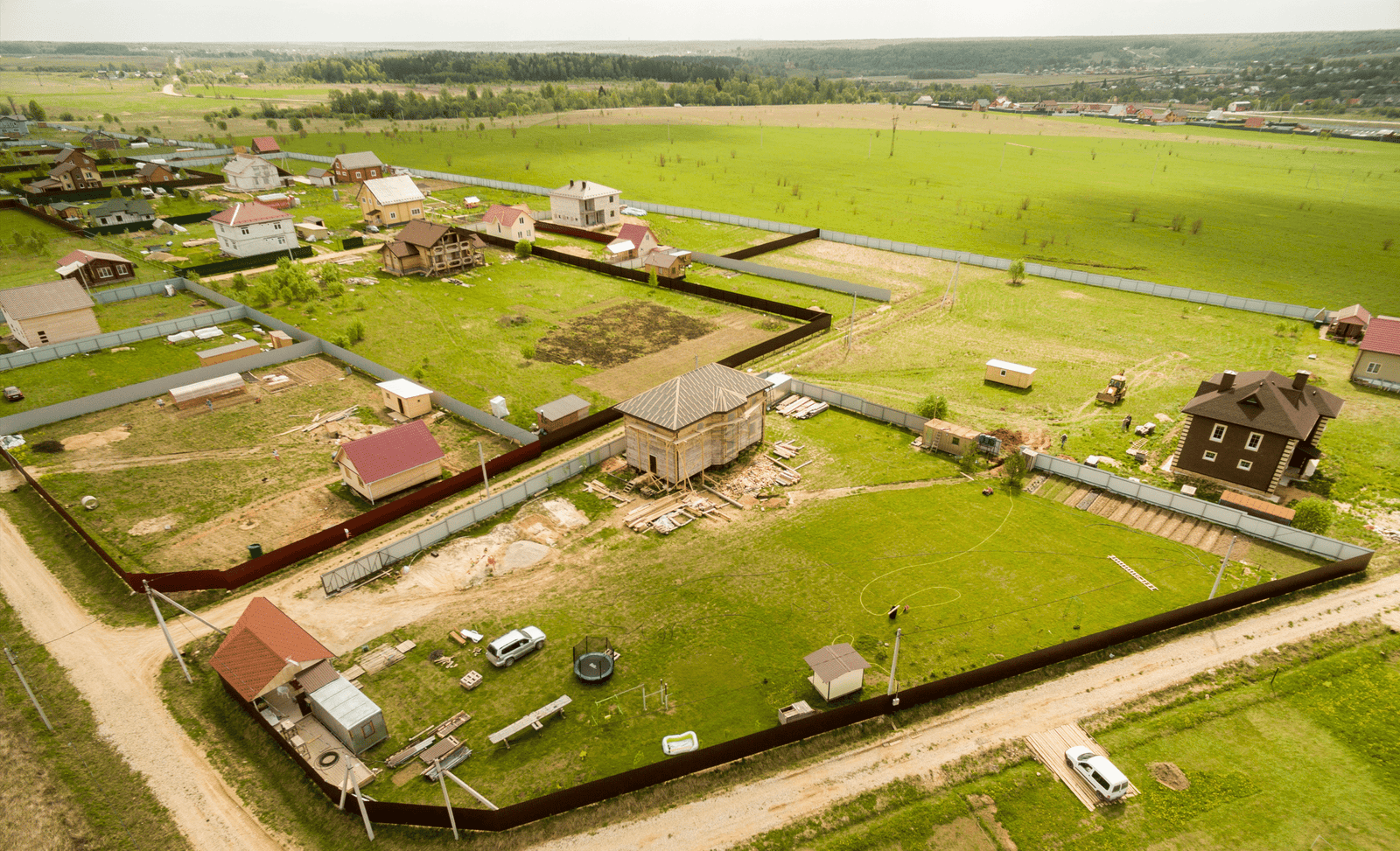
Planning or developing agricultural land often sounds easier than it actually is. There are plenty of hurdles to deal with, and one of the biggest is the need to protect natural green areas. These spaces matter for future farmers and for the environment, so any kind of development is taken seriously.
For many self-builders, though, the dream of leaving the busy city behind and waking up to open fields, clean air, and wide countryside views is incredibly tempting. When you start looking for a plot that fits this lifestyle, agricultural land usually comes up quickly. It’s cheaper than residential land, there’s a lot of it available, and at first glance it looks like it has endless possibilities.
But this is where most people get surprised. Agricultural land comes with strict development rules, and putting a house on it isn’t simple. In most cases, it’s actually quite difficult and some zones are impossible. However, there are good reasons for that.
Related reading: Unrestricted Land: No HOA Rules, Full Freedom.
If you’re thinking about developing farmland, understanding planning permission is crucial. The process is slow, sometimes confusing, and it has a huge impact on land value. A plot with approved planning can sell for twenty times the price of the same land without permission. Still, some landowners decide to develop a portion of their land to support their income or move into a new direction. In some cases, it’s the only realistic option. Just remember that whether permission is granted depends on a long list of factors. Buying land and then not getting approval can become a very expensive mistake.
What is agricultural Land?
Agricultural land is a portion of land specifically used for agriculture purposes. it can include different types of land such as arable fields, areas with permanent crops, and long-term pastures. This land is very different from places used for commercial, industrial, or residential purposes.
Arable land refers to fields used for temporary crops, seasonal meadows, or land that is left fallow for a short period.
>Land with permanent crops includes areas where long-lasting plants grow, such as coffee, cocoa, fruit trees, or vineyards—these crops don’t need to be replanted every season.
Permanent pastures are areas that have been used for grazing for at least five years, whether they contain natural grass or planted forage.
What does agricultural zoning mean?
Agricultural zoning is a land-use rule that designates certain areas specifically for farming and farming-related activities. Its main purpose is to safeguard farmland by limiting development that isn’t connected to agriculture—such as large residential neighborhoods or commercial buildings—that might disrupt farming work.
This type of zoning is commonly used to:
- Prevent farmland from being turned into urban or suburban developments
- Support the long-term stability and profitability of agricultural industries
- Preserve rural character, open land, and natural landscapes
- Minimize disputes between farmers and property owners who aren’t involved in agriculture
The exact rules for agricultural zoning differ from place to place, shaped by local laws, environmental needs, and economic considerations. Some jurisdictions permit a small amount of non-agricultural use, while others enforce strict regulations that allow only farming activities and structures essential to farm operations.
Can you Build a House on Agricultural Zoned Land?
Building a house on agricultural-zoned land is not impossible, but it is far from straightforward. Agricultural zoning exists primarily to protect farmland and ensure it is used for farming, livestock, or other rural purposes. The main goal is to preserve open spaces, maintain low-density development, and prevent urban sprawl. Because of this, any construction on such land is typically scrutinized closely by local authorities to make sure it does not interfere with farming activities.
In many areas, residential structures are allowed only if they are directly connected to agricultural use. For example, a house may be permitted for a farmer who actively works the land or for employees who manage farm operations. In some cases, the authorities might impose an “agricultural tie,” which legally requires that the house be occupied by someone engaged in farming. If you want to build a home that is not connected to farm operations, you usually need special permission through a conditional use permit or a zoning change from agricultural to residential. Both of these processes can be lengthy, requiring detailed applications, public hearings, and approval from planning boards.
Even when permission is granted, building on agricultural land comes with practical challenges. Many zones require large minimum parcel sizes, often to ensure the land remains primarily for farming. Utilities like electricity, water, and sewage may be limited in rural areas, so installing a well, septic system, or other infrastructure may be necessary. Environmental considerations such as soil quality, drainage, and flood risk can also affect whether a house can be built safely and legally. These factors make construction on agricultural land more complicated and expensive than building in a standard residential area.
Legal and financial implications are also important. Agricultural land may have tax benefits that could be lost if the land is converted to residential use. Building without proper approval can lead to fines, forced demolition, or other penalties. Even after a home is built legally, there may be restrictions on its sale or future use, particularly if the property has an agricultural tie.
In short, while it is sometimes possible to build a house on agricultural land, it requires careful planning, compliance with local zoning laws, and often proof that the dwelling serves a farming purpose. Anyone considering such a project should consult local planning authorities and consider professional advice to ensure the process is legal and feasible.
Requirements to build a house on agricultural land
Building a house on agricultural land in the United States is possible, but it usually requires navigating several layers of permissions because these zones are primarily intended to protect farmland.
Conditional Use Permit (CUP)
The most common way to build on agricultural land is by obtaining a Conditional Use Permit, or CUP. This permit allows a landowner to use the property in a way that isn’t normally allowed under the zoning rules, as long as certain conditions are met. For example, many counties approve a house only if it is connected to farming. Such as for the farmer, the landowner, or workers who manage the farm. Getting a CUP typically involves submitting an application to the local planning or zoning board, and it may require public hearings.
Agricultural Tie or Farm Dwelling Requirement
In many areas, there is an agricultural tie or farm dwelling requirement. This means the house can only be lived in by someone actively engaged in farming, and it is often legally tied to the property. Essentially, you cannot build a house and rent it out or sell it to someone who has no connection to agricultural work.
Rezoning or Zoning Changes
If you want to build a home that isn’t connected to farming, you may need to apply for a zoning change. This process is usually more involved, requiring approval from local authorities, public hearings, and sometimes environmental or traffic studies. Rezoning changes the land from agricultural to residential, and it’s usually harder to get than a CUP. Sometimes, a variance may be allowed if you can’t meet certain zoning rules. This often applies to issues like lot size or setback requirements. Variances are typically granted only when strict compliance would cause a genuine hardship.
Building Permits and Other Approvals
Even after you get zoning approval, you still need a building permit to confirm the home meets safety and construction standards. You may also need extra permits for things like a septic system or a private well. In many rural areas, driveway access permits are required too. Environmental rules may also apply, especially if the land has wetlands or is in a floodplain.
Conclusion: Build a House on Agricultural land
In conclusion, developing or building on agricultural land can be an exciting opportunity, but it comes with unique challenges and strict regulations. Agricultural land and zoning exist to protect farmland, preserve open spaces, and support sustainable farming, which means any construction, including houses, requires careful planning, proper permits, and sometimes rezoning or conditional use approvals. Before pursuing a build, it’s essential to understand local laws, environmental requirements, and infrastructure limitations to avoid costly mistakes. With the right research and professional guidance, however, it is possible to legally and successfully build a home while respecting the purpose of agricultural land.
Frequently Asked Questions
Can you build on agricultural land?+
Yes, you can sometimes build on agricultural land, but it depends on local rules and zoning. Most agricultural land is meant for farming, so building a home often requires special approval, such as a conditional use permit or a zoning change.
What does agricultural mean?+
Agricultural refers to activities related to farming, including growing crops, raising livestock, or producing other farm products. Anything that supports food or fiber production is considered agricultural.
What does agricultural zoning mean?+
Agricultural zoning is a type of land-use regulation that protects farmland. It restricts non-farming uses like commercial or residential development and ensures the land stays primarily for agricultural purposes.
Can you build a house on agricultural zoned land?+
In many cases, yes, but usually only if the house is connected to farming. For example, a farmhouse or housing for farm workers may be allowed. Otherwise, you will likely need a conditional use permit or to rezone the land to residential.
What does farmland mean?+
Farmland is land specifically used for farming activities, such as planting crops, grazing livestock, or maintaining orchards. It may also include barns, silos, or other farm structures.
What is agricultural land?+
Agricultural land is land designated for farming or livestock production. Its main purpose is to produce food, crops, or fiber, rather than for residential or commercial buildings.