Vacant Land Insurance: Do You Really Need It?
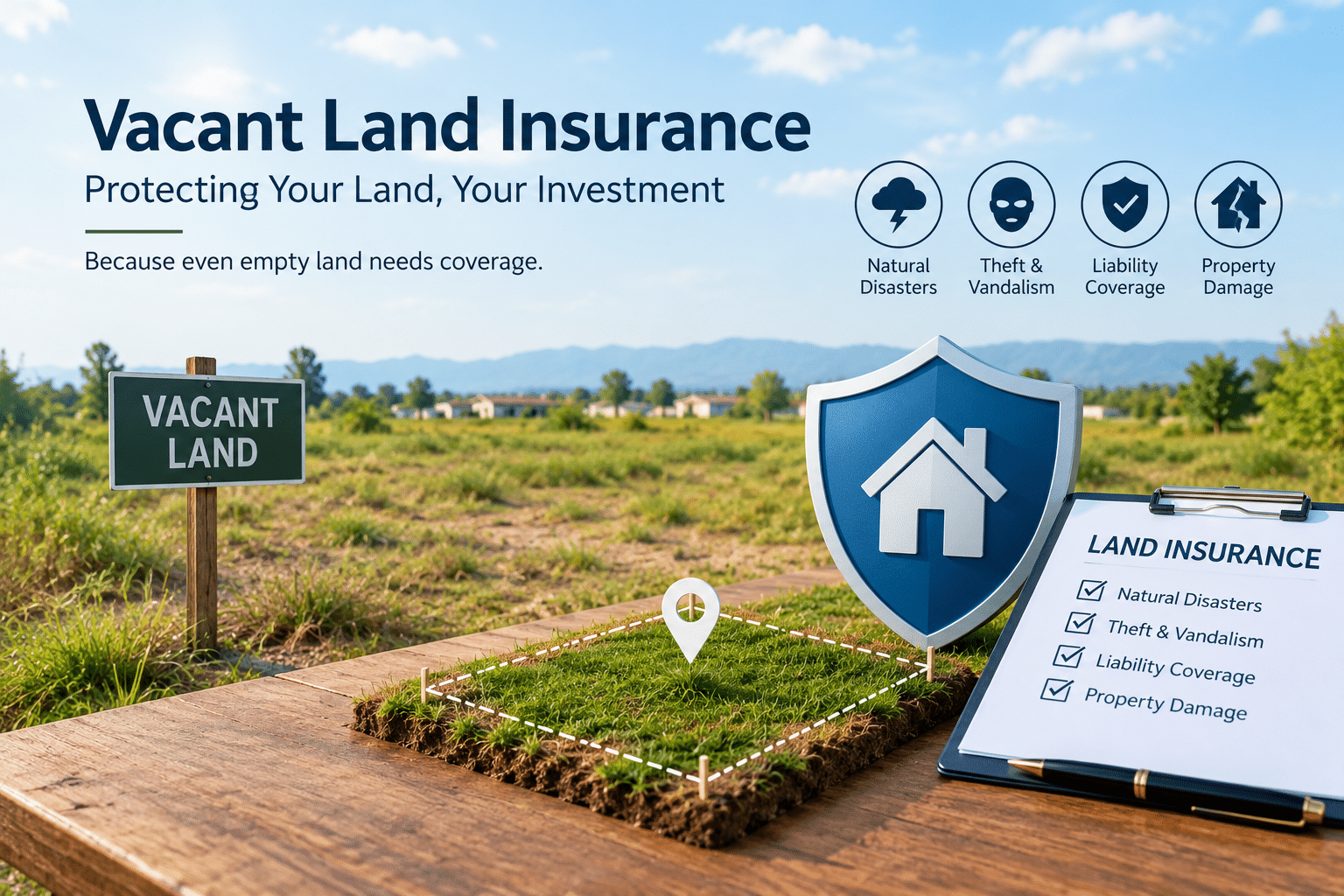
No state requires vacant land insurance. But you can still get sued if someone gets hurt on your property, even if there’s no house, no fence, and no activity on it.
Empty lots carry more risk than most owners expect. An old well, a broken shed slab, a steep bank by a creek — any of those can hurt somebody. If a hunter, a trespasser, or a neighbor’s kid gets injured on your land, the claim lands on you personally, not on some faceless “the property.” So the real question isn’t whether the law requires coverage. It’s whether you could write a check to cover that claim if it showed up tomorrow.
This matters more if you bought through owner financing instead of a bank loan. You’re carrying personal risk on land you may not fully own on paper yet. A lot of buyers assume “no house, no tenant, no risk.” That’s just wrong. Liability doesn’t care who’s living there or whether the deed has fully transferred — it cares whether someone got hurt and whether you could’ve prevented it.
Here’s what I’ll cover below: what a vacant land policy actually pays for and where it leaves you exposed, how things change when the seller still holds the deed, the actual steps to get a policy in place, and roughly what you should expect to pay before you start calling around for quotes.
Do You Need Insurance on Vacant Land?
No state requires it. Not one. Unlike car insurance, there’s no law anywhere that makes you carry coverage on an empty lot. But legal and safe aren’t the same thing, and that gap is exactly where landowners get burned. Skip coverage because it’s optional, and you’re one accident away from a problem that follows you personally, not your land.
Here’s the short version: liability follows the land, not a house. Someone can get hurt on your lot and sue you even if there’s no structure, no tenant, nothing going on out there at all. Most states let an injured trespasser bring a claim in certain circumstances. And that’s before you count the people you actually let on — a hunter you waved through, a buddy riding an ATV, a neighbor’s kid cutting across what looks like an empty field.
The land doesn’t have to look dangerous to cause a claim. An old capped well. A rusted fence post hidden in tall grass. A collapsed slab where a shed used to sit. A steep drop-off at a creek bank. Any one of those can turn into a lawsuit the day someone gets hurt, and you may not even know the hazard is there until it’s too late.
Bought with owner financing? Don’t assume that changes anything — if anything it raises the stakes. Many owner-financing contracts actually require you to carry liability coverage from day one, as a condition of the deal. That’s the real reason most financed buyers end up insured anyway. Not because a state made them. Because the seller did.
What Does Vacant Land Insurance Cover – and What Does It Leave Out?
A vacant land policy is narrower than most people picture. It pays for three things if someone gets hurt on your lot: your legal defense, medical bills for the injured person, and any settlement up to your policy limit. That’s it. You’re not insuring the dirt. You’re insuring yourself against what it costs when someone else gets hurt on it.
Most insurers don’t sell vacant land insurance as a separate policy. It is usually added to your homeowners policy or included in an umbrella policy. When you call for a quote, ask for “vacant land liability” by name so you get the right coverage.
Here’s where owners get caught off guard. The policy assumes the land is truly vacant. Add a permanent structure, an old septic system, a dock, or even a gravel pad someone poured for equipment, and you can trip into a different underwriting class. Sometimes that means a higher premium. Sometimes it means the insurer denies the claim outright, because the land no longer matches what you told them when you bought the policy. Tell your agent about anything built on the lot, even something small.
None of these policies cover damage to the land itself. Erosion, a brush fire, a washed-out driveway, that’s on you. Theft of fencing, gates, or equipment left on site isn’t covered either. This is liability insurance, not property insurance, and the difference matters the first time you try to file a claim for the wrong thing.
| Typically Covered | Typically Excluded |
|---|---|
| Third-party bodily injury on the land | Damage to the land itself (erosion, fire scars) |
| Legal defense costs | Theft of materials, fencing, or equipment |
| Medical payments to an injured visitor | Claims tied to a permanent structure or old septic system |
| Settlement or judgment up to policy limit | Business use or commercial activity on the parcel |
How Insurance Works Differently on Owner-Financed Land
Owner financing adds a wrinkle most buyers don’t think about until an agent asks for it. With a land contract or a deed-in-escrow setup, the seller often keeps legal title until you’ve made your last payment. You’re living on it, improving it, maybe even fencing it but on paper, you’re not the owner yet.
That matters to an insurer. A policy needs to name the real owner of record. If that’s still the seller, you may need to be added as an additional insured instead of showing up as the primary name. Get this sorted before you’re sitting on a claim and finding out the hard way that your name isn’t on the policy right.
Liability coverage and title insurance are not the same thing. Don’t mix them up. Title insurance protects against ownership disputes, back taxes, or a recording error turning up after closing. Vacant land liability covers injuries that happen on the property. Two different problems, two different policies.
Ask the title company or closing attorney a simple question: was a title policy actually issued on this deal? Plenty of small owner-financed sales skip it, and you want to know that going in, not after a dispute. Then check your purchase contract. Most sellers expect you to carry liability coverage the moment you take possession long before the deed is fully yours.
How to Insure Vacant Land When the Seller Still Holds Title
If you bought on contract or under a deed-in-escrow arrangement, don’t just call an agent and ask for a policy. Walk through it in order, or you’ll end up with a policy that doesn’t actually protect you.
- Pull your contract first. Find the clause on insurance. Most owner-financing agreements spell out who has to carry liability coverage and when it has to start. If you can’t find one, ask the seller directly before you shop for quotes.
- Find out who’s on the deed right now. If the seller is still the owner of record, say that up front when you call an insurer. It changes how the policy gets written.
- Ask to be named as an additional insured, not the sole policyholder. Some carriers will write the seller as owner and add you as an additional insured who’s using the land. Others want the seller to carry their own policy and you to carry yours alongside it. Ask the agent which setup they actually offer.
- Get the seller’s name right on the application. A policy that misspells the owner of record, or skips them entirely, can get denied at claim time for the same reason a bad deed gets rejected at the county recorder’s office.
- Keep a copy of the declarations page with your closing documents. If the seller ever disputes the sale or the deed transfer stalls, you want proof you were covered the whole time you held possession.
- Re-check coverage once the deed transfers to you. The day you get full title, call your agent again. The policy needs to switch over to show you as the owner, not just an additional insured.
How to Insure Vacant Land: Step by Step
Getting a policy on an empty lot isn’t complicated, but the order you do things in matters. Skip a step and you either overpay or find out at claim time that you’re not actually covered.
- Figure out who’s on title. Before you call anyone, know whether you hold the deed outright or you’re buying on an owner-financing contract with the seller still holding title. This decides whose name goes on the policy and whether you need to be added as an additional insured instead of the primary policyholder.
- List what’s actually happening on the land. Write down every use: hunting, ATVs, a shed, an old well, a gravel pad, anyone with permission to be there. An agent needs this to quote it right, and leaving something out is how claims get denied later.
- Call a local independent agent first. Someone who knows your county will know which carriers actually write vacant land liability there. A national call center often doesn’t.
- Ask for “vacant land liability” by name. Most insurers don’t sell this as a standalone product line, it’s an endorsement on a homeowners policy or part of an umbrella policy. Using the right term gets you to the right desk faster.
- Get quotes from at least two sources. Check a standard homeowners carrier and a farm or rural specialty insurer. Rural insurers deal with bare acreage constantly and often price it better.
- Check your purchase contract for an insurance requirement. Plenty of owner-financing agreements require liability coverage starting the day you take possession, not when the deed transfers. Read it before you assume you have time to shop around.
- Confirm the policy start date matches your possession date. If you’re moving onto the lot, parking equipment, or letting anyone use it before closing, you want coverage in place on day one, not the day the paperwork clears.
- Review the policy once a year or whenever the land changes. Add a structure, start renting it for hunting, or change how it’s used, and you need to tell your agent. A policy written for raw, unused land won’t necessarily pay out once that land looks different.
How Much Does Vacant Land Insurance Cost, and Who Sells It?
Vacant land insurance costs less than a homeowners policy. That’s simple math there’s no house to rebuild. Your actual premium depends on three things: how many acres you own, what state you’re in, and what people actually do on the land.
A quiet residential lot is cheap to insure. Let hunters or ATV riders use the parcel and your rate goes up, because more activity means more chances for someone to get hurt. Rules on liability coverage also differ state to state, so a price you saw quoted for California or Texas won’t tell you much if you’re buying in Montana. Call around and get a few real quotes before you budget for this.
Here’s where I’d start. Call a local independent agent first, one who actually knows your county, not a national call center. Ask them directly if they write vacant land liability policies. Next, check with insurers who specialize in farm and rural coverage; they deal with bare acreage all the time and often price it better than a standard homeowners carrier. If you own a larger tract, look into specialty landowner or timberland liability carriers built for that scale.
Own a small lot and already carry a homeowners policy on another property? Ask your agent about adding an umbrella policy on top of it. That’s usually the cheapest way to get liability coverage on a vacant parcel without buying a brand-new standalone policy.
Further reading
Frequently Asked Questions
Does title insurance protect me the same way as vacant land insurance?+
No title insurance protects your ownership claim against liens, back taxes, or recording errors, while vacant land insurance is liability coverage for injuries that happen on the property. You may want both, but they solve different problems.
Can I just add vacant land to my existing homeowners policy instead of buying a separate policy?+
Sometimes, if the land is truly vacant with no structures and your insurer allows it as an endorsement - ask your current agent before shopping a standalone policy, since it's often the cheaper route.
Is vacant land insurance required by my state?+
No state mandates it by law, but a lender, seller financing the land, or an HOA/POA may require proof of liability coverage as a condition of the loan or deed, so check your purchase contract.