
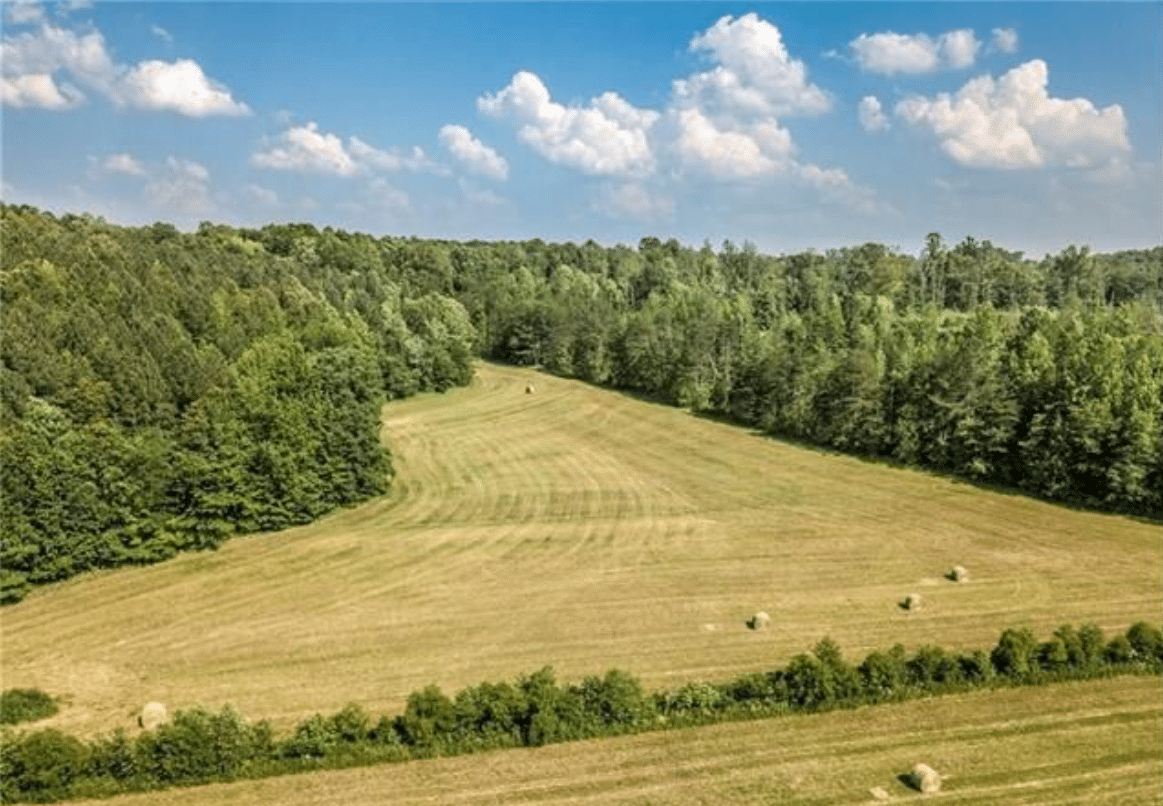
In real estate, freehold vs leasehold property are the terms that define legal ownership of a property, when you’re buying, budgeting, or selling. Freehold and leasehold are the two main types of legal ownership. With a freehold, you own both the land and the property forever, while with a leasehold, you only own the property for a set number of years and the land belongs to someone else, often under a land lease or ground lease arrangement. This basic difference shapes your rights and responsibilities as an owner, affects the long-term value of the property, and is central to every real estate transaction.
What Is a Freehold Land?
Freehold land is a type of property ownership where the owner has permanent and complete rights over both the land and any structures built on it. There is no fixed time limit on ownership, and it is not linked to leases or renewal periods. The owner is free to sell, transfer, or pass the property on to heirs without ownership restrictions.
Ownership Rights and Freeholding Meaning
Freeholding basically means you own the property outright. Since there’s no landlord involved, you have the freedom to do what you want with the land, whether that’s building on it or selling it later. Freehold property also doesn’t require ground rent or lease payments, which many owners find simpler and more affordable in the long run.
Legal Authority and Control
In a freehold arrangement, the property is registered in the owner’s own name, so there’s no leasing authority involved. This usually makes things like selling the land or transferring ownership much easier. Since all legal control stays with the owner, managing the property feels clearer, more secure, and far less restricted.
Construction and Usage Flexibility
With freehold land, you can build, renovate, or expand as you need, whether for home or business, as long as local rules are followed. You don’t have to get extra approvals like you would with leasehold property, which makes planning and developing over the long term much easier.
Investment Value of Freehold Property
People often see freehold property as a solid investment. Since you own it completely, it gives you confidence, and banks are usually happier to provide loans for it. Plus, freehold land often goes up in value over the years, making it a smart option for long-term gains.
Disadvantages of Freehold Land
- Higher initial purchase cost compared to leasehold properties
- Full responsibility for property taxes and government charges
- All maintenance and repair costs are borne by the owner
- Compliance with local laws, zoning regulations, and building codes is entirely the owner’s responsibility
What Is Leasehold Land?
Leasehold land is a type of property where you buy the right to use the land and the leasehold building on it for a specific number of years. The land itself belongs to another person or authority. Leasehold land simply means ownership for a limited time rather than forever. Once the lease period ends, the property usually needs to be renewed or handed back, depending on the agreement.
Ownership Rights and Leasehold Ownership
With leasehold ownership, you are allowed to live in the property, rent it out, or even sell it, but only under the conditions written in the lease. This helps explain what does leasehold land mean for buyers: you have usage rights, not permanent ownership. In most cases, leasehold property also comes with ground rent or yearly lease payments.
Legal Authority and Control
In leasehold property, the land is not fully registered in the buyer’s name. The freeholder or a government authority still holds legal control over the land. Because of this, selling or transferring a leasehold property may require approval, which can sometimes slow things down.
Construction and Usage Flexibility
Leasehold land usually comes with limits on construction. If you want to renovate, expand, or make major changes to a leasehold building, permission is often required from the landowner or authority. These restrictions can affect long-term plans and future development.
Investment Value of Leasehold Property
Leasehold property is often more affordable than freehold property, especially in popular or prime locations. However, its value depends largely on how much time is left on the lease. Properties with longer lease periods are generally easier to sell and more appealing to buyers and banks.
Disadvantages of Leasehold Land
- Leasehold ownership is for a limited time only
- Ground rent or lease payments are usually required
- Construction and renovation are restricted
- Selling or transferring may need approval
- Property value can drop as the lease period shortens
Freehold vs Leasehold Property?
When it comes to choosing between freehold vs leasehold property, most buyers lean toward freehold and for good reason. With freehold ownership, you’re not just buying a building; you’re securing permanent rights over the land itself. There’s no countdown on ownership and no future uncertainty about losing control of the property.
Freehold property simply feels more secure. Freehold property tends to keep its value well, is easier to sell, and usually comes with fewer legal hassles. Since you don’t have to deal with lease renewals or ground rent, ownership is much simpler and less stressful.
Leasehold ownership does have its place, especially in certain locations or property types. However, it comes with limits. As the lease term gets shorter, the property may become harder to sell, and extending the lease can be both time-consuming and costly. Regular charges like ground rent and service fees can also add up over time.
If you have the choice, freehold property is generally the safer and more reliable option for long-term ownership. Leasehold ownership can work in specific situations, but for lasting value and peace of mind, freehold remains the preferred option.
Conclusion
Deciding between freehold vs leasehold property really depends on what matters to you. Freehold means you own the land and the building all of it. You can do what you want, plan ahead, and feel more secure in the long run. Leasehold can be cheaper. There are rules to deal with, a time limit, and extra payments like ground rent. It can turn into a hassle later. Freehold doesn’t have that stress, so people usually feel more comfortable with it. When you know this, the choice is clearer.
FAQs related to freehold vs leasehold property
Which is better freehold vs leasehold?
Freehold usually makes more sense if you’re thinking long term. You own the land and the property, so you’re not tied to anyone else’s rules. Leasehold can cost less at first, but it has an end date, restrictions, and regular charges.
What is the disadvantage of leasehold?
The main disadvantages of leasehold are limited ownership time, ongoing ground rent or lease payments, restrictions on renovations, and potential difficulties when selling or transferring the property.
What is an example of a freehold property?
An example of a freehold property is a standalone house or villa where you own both the building and the land outright, with no time limit or lease restrictions.
What are the advantages of freehold property?
The advantages of freehold property include full ownership of both land and building, complete control over usage and modifications, no lease or ground rent, and better long-term investment value.
Does freehold mean full ownership?
Yes, freehold means full ownership. You own both the land and any structures on it permanently, giving you complete control and the right to sell, transfer, or pass it on to heirs.
Is it difficult to sell a leasehold property?
Yes, selling a leasehold property can be more difficult, especially if the lease period is short. Buyers may be hesitant, and approvals from the freeholder or authority may be required, which can slow down the process.


Join The Discussion