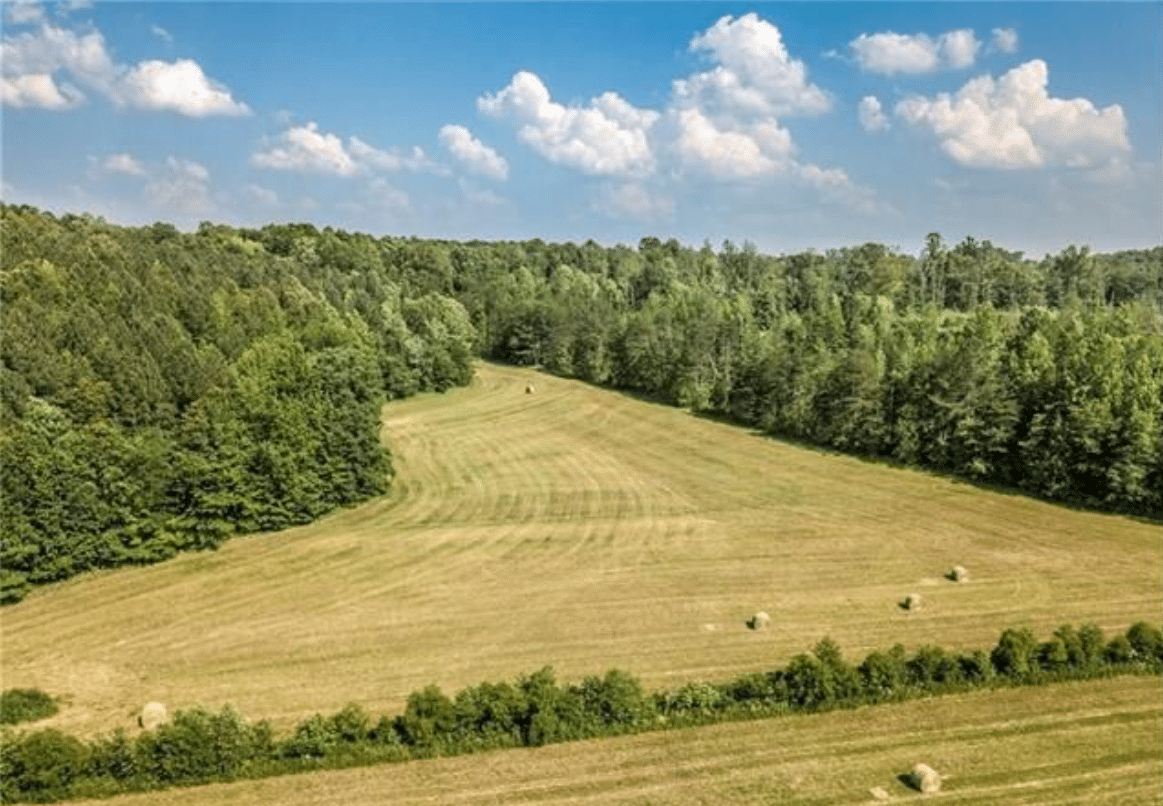
What does Unrestricted Land Mean?

Want to buy land in the USA where you can do whatever you want? Unrestricted land is the best option if you want to get rid of the confines of Homeowner’s association rule. Unrestricted land mean allowing owner to do anything legal without restrictions from a homeowner’s association.
On unrestricted land, there are no rules to follow from property owners or area management authorities. You can build a house, start a garden, create a small zoo, or do anything else that is permitted in that particular zone, provided you have the proper licenses if required.
Difference Between Restricted and Unrestricted Land
Restricted Land
Restricted land comes with specific limitations that control how a property can be used. These restrictions are often established through deed restrictions, zoning ordinances, or homeowner association (HOA) rules. They may dictate what types of structures you can build, how the land can be used (residential, agricultural, or commercial), and even set requirements for minimum square footage or exterior materials.
Restricted land often prohibits mobile or manufactured homes and limits the kinds of animals you can keep. While these rules help maintain higher neighborhood standards, preserve property values, and create a consistent appearance within a community, they can also limit your freedom. Buyers who value flexibility or unconventional living may find these restrictions too confined.
Unrestricted Land
Unrestricted land, on the other hand, provides maximum freedom to use your property as you wish, as long as your activities comply with local county and state regulations. Owners can build barndominiums, tiny homes, or mobile homes, start farms or homesteads, operate short-term rentals, or even live off-grid.
Unrestricted land is typically found in rural areas and offers great flexibility and creative opportunities for investors or independent buyers. However, the lack of oversight means neighboring properties might not be well-maintained, and infrastructure such as utilities or road access could be limited. While unrestricted land offers more independence, buyers must perform careful due diligence to ensure the property meets their goals and legal requirements.
Things to Consider Before Buying Unrestricted Land
Buying unrestricted land can sound like the perfect way to enjoy total freedom, build what you want, live how you want, and avoid HOA rules. However, it’s not always that simple. Even “unrestricted” properties can come with hidden limitations or challenges. Here are important things to know and check before buying unrestricted land.
Verify That the Land Is Truly Unrestricted
Don’t take the seller’s word for it. Always double-check with the county records, zoning office, or your real estate agent to confirm that the land is truly unrestricted. Many listings use “unrestricted” as a marketing term, but legal documents may tell a different story.
Understand Local Zoning Laws
Even if there’s no HOA, local or county zoning laws still apply. These rules can affect what you can build, whether you can live off-grid, or if you can start a business or farm. Always contact the local zoning department to confirm what’s allowed on the property.
Check for Deed Restrictions and Easements
A property might still have deed restrictions or easements that limit your use. Easements can control where you can place driveways, fences, or buildings, and may protect access to utilities, water lines, or neighboring land. Always request a copy of the property deed and review it carefully.
Inspect the Surrounding Properties
Since unrestricted land gives everyone freedom, your neighbors might use their land in ways you don’t like — junkyards, livestock, loud machinery, etc. Drive around and observe nearby properties before buying to make sure you’re comfortable with the area.
Review Environmental and Tree Removal Rules
Even unrestricted land is still subject to environmental protection laws. Some areas limit how much you can clear trees or alter natural habitats. Check with your state’s environmental agency before clearing or developing land.
Check Utility Access and Infrastructure
Unrestricted land often lacks basic infrastructure like water, electricity, sewage, or road access. Make sure you understand how much it will cost to install wells, septic systems, or power connections. Remote locations can make setup expensive.
Consider Property Access and Easements
Some rural parcels are “landlocked,” meaning they don’t have direct access to public roads. Ensure you have legal access through a recorded easement; otherwise, you might not be able to reach your land legally.
Understand Financing and Deed Ownership
If buying through owner financing, the seller often keeps the deed until the final payment. Make sure you understand the financing terms, who holds the title, and what happens if you default.
Evaluate Potential Land Uses
Unrestricted land gives you flexibility — you can build a home, park an RV, start a farm, create a small business, or rent it on Airbnb. However, some uses still require permits or licenses. Always verify legal requirements before starting any project.
Do a Full Title Search
A title search reveals any legal claims, liens, or unpaid taxes on the land. This step ensures you won’t inherit someone else’s debt or ownership dispute.
Check Soil, Flood Zones, and Topography
Before buying, get a soil test to confirm the land can support construction or farming. Check FEMA flood maps and topographic surveys to avoid drainage or flood problems.
Understand Property Taxes and Insurance
Rural unrestricted land may have lower taxes, but if you build structures, your property tax and insurance rates can increase. Check local tax rates and availability of insurance coverage, especially for remote areas.
Look Into Future Development Plans
Contact the local planning department to see if nearby land is scheduled for industrial, commercial, or highway development. Future changes could affect your property value or peace and quiet.
Work With Local Professionals
Always work with a local real estate agent, land surveyor, and attorney who understand the area’s regulations. They can help you identify hidden restrictions, verify access rights, and handle paperwork correctly.
Unrestricted land offers amazing freedom, but it also comes with more personal responsibility. Always do your research, verify every detail, and understand the costs of developing the land. With proper due diligence, unrestricted land can be an excellent investment for off-grid living, farming, or building your dream property.
How to Buy Unrestricted land?
Buying unrestricted land gives you the freedom to build, farm, or live off-grid without HOA or zoning restrictions. But finding truly unrestricted property requires research and due diligence. Here’s how to do it right.
Research and Find Unrestricted Land
Start your search on trusted land platforms like Landapaloozas, Land.com, or Zillow. You can also contact local real estate agents or property owners directly. Because “unrestricted” isn’t an official land category, always confirm that the property is truly free from limitations before moving forward.
Verify That the Land Is Truly Unrestricted
Check with your county zoning office, planning department, or title company to make sure the land is unrestricted. Focus on the following:
- Zoning laws: Confirm that local or state zoning doesn’t restrict your intended use (residential, agricultural, commercial, etc.).
- Deed restrictions: Look for clauses in the property deed that limit building types, home size, livestock, or business activity.
- Easements: Identify if any utility, access, or drainage easements affect where you can build.
- HOA rules: Ensure the land isn’t part of a homeowner or property owners’ association that could impose regulations.
Do Professional Due Diligence
Hire a land specialist or real estate agent who deals with vacant or rural properties. Order a professional land survey to confirm boundaries and detect easements or encroachments. Use a title company to run a full title search and confirm ownership and any existing liens.
Check Utilities, Access & Infrastructure
Unrestricted land is often rural and may lack water, power, or sewage access. Before buying, verify:
- Availability of utilities (electricity, water, internet)
- Legal road or driveway access (avoid landlocked parcels)
- Soil and flood conditions for building or farming
Secure Financing and Close Safely
Financing raw land can be challenging. Lenders may require a larger down payment and higher interest rates, especially for undeveloped lots. Consider owner financing if available. Before closing, have a real estate attorney review all contracts, titles, and financing documents to ensure there are no legal risks.
Know the Risks and Responsibilities
Owning unrestricted land means complete freedom and full responsibility. Nearby properties may not follow any standards, and infrastructure costs (like wells or septic systems) can be high. Always budget for these expenses and ensure the land suits your long-term goals.
Buying unrestricted land is one of the best ways to enjoy property freedom — but only if you do your research. Verify every restriction, check infrastructure, and work with professionals. With proper due diligence, unrestricted land can be a smart investment for off-grid living, homesteading, or rural development.
Conclusion: Unrestricted land in USA (Complete Guide)
Unrestricted land offers the ultimate opportunity for freedom, flexibility, and creativity in property ownership. Unlike restricted land, it allows owners to use their property however they wish—whether for building a home, starting a farm, living off-grid, or running a small business—so long as activities comply with local and state laws. However, this freedom comes with added responsibility. Buyers must carefully verify that the land is truly unrestricted, understand local zoning laws, inspect access and infrastructure, and conduct a full title search before purchasing.
While unrestricted land opens the door to independent and unconventional living, it also requires diligence, planning, and sometimes significant investment in utilities and access. By working with knowledgeable professionals and performing thorough research, buyers can avoid pitfalls and make informed decisions. With proper due diligence, unrestricted land can become not just an investment, but a foundation for self-sufficient living, personal expression, and long-term satisfaction.